
Operating an overhead crane isn’t just about lifting heavy loads it’s about doing it safely, efficiently, and responsibly. Even the most experienced operators rely on established safety protocols to ensure smooth operations, protect equipment, and prevent accidents.
Whether you’re a newcomer stepping into the world of crane operations or a seasoned professional looking for a refresher, understanding these safety essentials can help you maintain complete control from the first lift to the final shutdown.
1. Know Your Equipment Inside Out
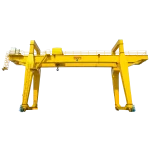
Before taking charge of any overhead crane, it’s critical to understand the specific type of crane you’re operating. Different cranes such as EOT (Electric Overhead Travelling) cranes, gantry cranes, or jib cranes come with distinct configurations, controls, and load capacities.
-
Read the manufacturer’s manual carefully. It outlines operational limits, safety instructions, and maintenance guidelines.
-
Understand the load chart never guess the crane’s capacity. Overloading is one of the most common causes of mechanical failure.
-
Familiarize yourself with the control system, including emergency stop buttons, limit switches, and hoisting functions.
🟡 Remember: A well-informed operator is the first line of defense against unsafe operation.
2. Conduct Pre-Operation Inspections
Routine inspections are the foundation of crane safety. Before every shift, perform a visual and functional check to ensure everything is in working order.
Daily Checklist for Operators
-
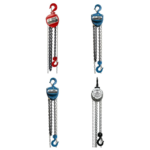
Inspect wire ropes, hooks, and chains for fraying, cracks, or deformation.
-
Check limit switches to ensure they’re operating correctly.
-
Verify controls and brakes respond smoothly without delay.
-
Examine load blocks, sheaves, and bearings for signs of wear.
-
Confirm there’s no oil leakage or unusual noise during test runs.
If any issue is found no matter how minor report it immediately and avoid operating the crane until it’s rectified.
🟢 A 10-minute inspection can prevent a costly accident.
3. Assess the Load and Environment
Before lifting, take a moment to evaluate your surroundings and the load itself. These pre-lift checks are often overlooked but can make all the difference.
-
Check the load weight and ensure it’s within the crane’s rated capacity.
-
Balance and secure the load using proper slings and lifting accessories.
-
Clear the surrounding area of personnel and obstacles.
-
Avoid lifting over workers, equipment, or walkways.
-
Watch for overhead obstructions, such as beams, cables, or lighting fixtures.
Crane operations demand constant awareness both of the load and the space around it. Never rush a lift; safety is always the priority.
4. Follow Standard Operating Procedures (SOPs)
Consistency in crane operation comes from following established procedures. These aren’t just internal rules they’re safety systems designed to minimize risks.
Always Remember to:
-
Operate cranes only if you’re authorized and trained.
-
Use standard hand signals when communicating with riggers.
-
Maintain smooth movements while hoisting or lowering loads. Avoid jerks or sudden direction changes.
-
Keep clear of suspended loads and ensure others do the same.
-
Never leave a load hanging unattended.
🟡 Strict adherence to SOPs is a sign of professionalism not rigidity.
5. Prioritize Communication and Coordination
Crane operation is rarely a solo task. It involves close coordination between the operator, signal person, and ground staff. Effective communication prevents misunderstandings that can lead to serious accidents.
-
Always use standardized crane signals recognized by your organization.
-
Maintain clear line-of-sight with the signal person whenever possible.
-
If visibility is obstructed, use two-way radios or other approved communication tools.
-
Stop operation immediately if signals become unclear or contradictory.
A single misinterpreted gesture or word can result in damage or injury stay alert and aligned at every stage.
6. Watch Out for Overhead Power Lines
Power lines are a silent hazard in many crane operating environments, especially in open yards or outdoor setups. Contact with live electrical lines can be fatal.
-
Maintain the minimum clearance distance as per local safety regulations.
-
Use spotters or safety officers to monitor crane boom clearance.
-
If power lines are nearby, ensure they’re de-energized or relocated before work begins.
-
Never assume a line is safe just because it appears insulated.
⚡ Electricity and lifting equipment never mix keep your distance.
7. Stay Within Load Limits
Every crane is designed to handle a specific safe working load (SWL). Exceeding that limit compromises both safety and equipment integrity.
-
Avoid side pulling or dragging loads it creates uneven stress.
-
Use proper lifting points and ensure slings are at the right angle.
-
Keep load charts accessible and refer to them before every lift.
Overloading doesn’t always cause immediate failure but it weakens the crane over time, leading to sudden breakdowns or structural fatigue.
8. Shut Down Safely After Operation
A safe lift doesn’t end once the load is placed. The shutdown process is equally crucial to maintain the crane’s condition and workplace safety.
-
Park the crane at its designated spot.
-
Lower hooks to a safe height.
-
Turn off the power supply.
-
Lock out and tag out if maintenance is scheduled.
-
Document any irregularities in the operator’s logbook.
A proper shutdown ensures the next shift begins with a safe, reliable machine.
9. Continuous Training and Awareness
Crane technology, regulations, and safety standards evolve over time. To stay compliant and confident, operators should regularly refresh their training.
-
Participate in certification and refresher programs.
-
Attend on-site safety briefings.
-
Keep updated with company and statutory safety requirements.
-
Encourage peer-to-peer learning to share real-world experiences.
🟢 At Swift, we believe every safe operator is a trained operator.
10. Maintain Your Crane with Genuine Spares
Even with the most disciplined operation, mechanical wear and tear is inevitable. The key to long-term reliability lies in using authentic, manufacturer-approved spares.
Our spares are designed and tested to meet exact performance standards, ensuring your equipment operates at peak efficiency. Counterfeit or incompatible parts can compromise safety systems, shorten equipment life, and increase downtime.
Conclusion: Safety is a Habit, Not a Checklist
Overhead crane operation demands more than skill — it demands discipline, awareness, and respect for safety. By following these essentials, operators not only protect themselves and their teams but also extend the life of their equipment and ensure uninterrupted productivity.
At Swift, safety is engineered into everything we build — from our hoists and cranes to the spares that keep them moving.
📩 For product, service or inspection enquiries, write to us at: enquire@csil.in
📞 Call us at: +91 9403 89 2303
🟡 Stay safe. Stay efficient. Let Swift keep your lifting operations secure and seamless.