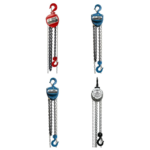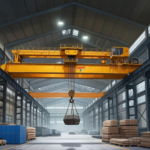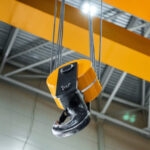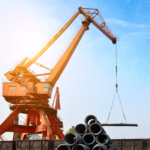
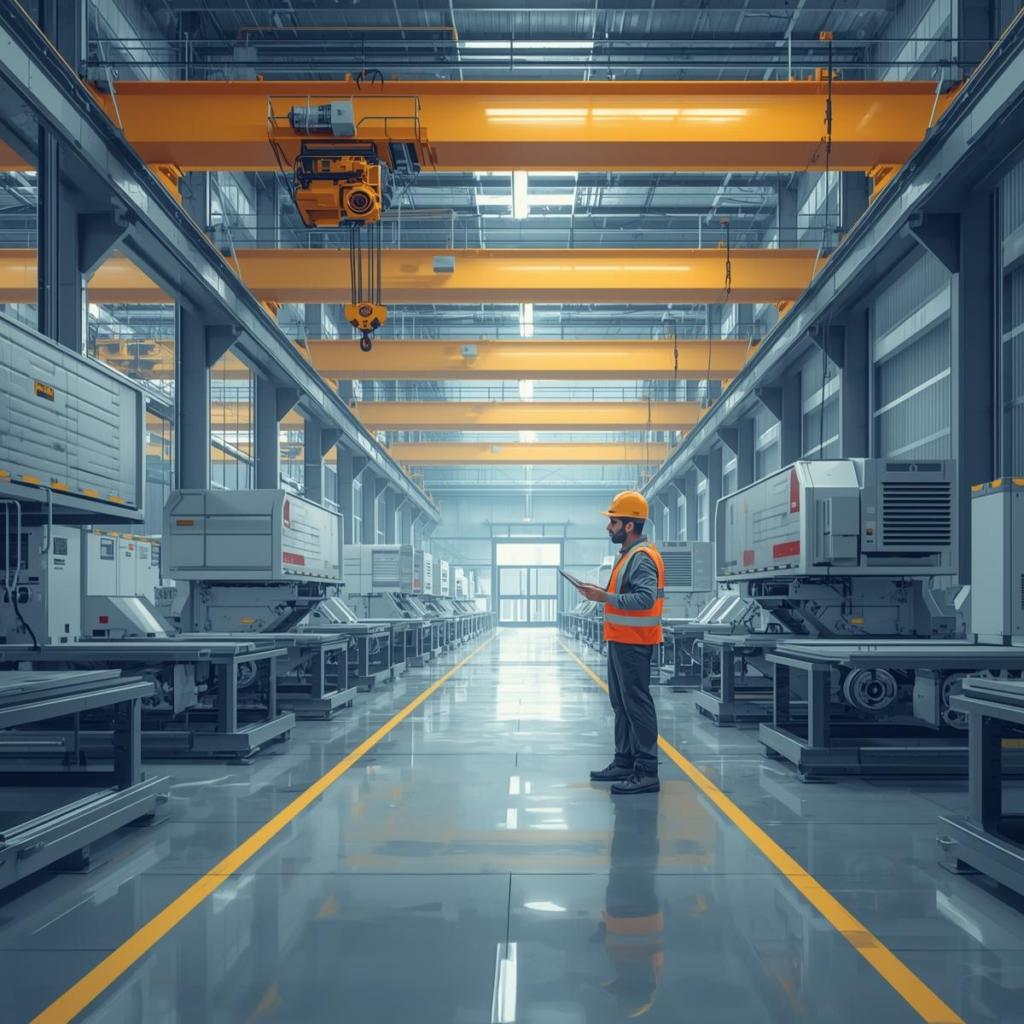
In every industrial setup whether it’s a manufacturing plant, warehouse, or construction site material-handling equipment like hoists, cranes, and chain pulley blocks play a crucial role in daily operations. These machines shoulder tons of weight and operate in demanding environments day after day. But while they are engineered for strength and reliability, their longevity depends significantly on one factor: how well they’re maintained and managed.
Just like any other mechanical system, material-handling equipment can deteriorate over time due to wear, improper use, or neglect. However, with the right approach, you can not only extend its service life but also ensure consistent performance, safety, and cost savings.
In this blog, we’ll explore practical strategies to maximize the lifespan of your lifting equipment and keep it running efficiently for years to come.
1. Conduct Regular Inspections
Routine inspection is the cornerstone of preventive maintenance. Frequent checks help identify early signs of wear, misalignment, corrosion, or fatigue issues that might not be visible during daily operations.
Here’s what a typical inspection schedule should include:
-
Daily visual checks: Examine wire ropes, hooks, and chains for deformation, cracks, or corrosion before every shift.
-
Weekly or monthly inspections: Check load brakes, limit switches, and lubrication levels.
-
Periodic inspections (quarterly or annually): Perform a thorough mechanical and electrical assessment by trained technicians to ensure compliance with safety standards like IS, OSHA, or FEM.
Early detection of faults prevents unexpected breakdowns and costly downtime. It’s not just about keeping the machine running it’s about keeping your operations safe and uninterrupted.
2. Lubricate Moving Components Properly
Friction is one of the main causes of wear in mechanical systems. Regular and correct lubrication minimizes this, ensuring smoother operation and reducing strain on components such as gears, bearings, and chains.
Best practices for lubrication:
-
Use only manufacturer-recommended lubricants.
-
Avoid over-lubrication, which can attract dust and debris.
-
Clean parts before applying fresh grease to prevent contaminants from circulating.
Neglecting lubrication can cause excessive friction, overheating, and accelerated wear all of which can drastically shorten your equipment’s lifespan.
3. Train Operators on Proper Usage
Even the best-maintained equipment will fail if it’s mishandled. Poor operating practices such as sudden jerks, overloading, or improper load balancing can inflict severe stress on structural components.
Operator training ensures that your workforce understands:
-
The rated Safe Working Load (SWL) and the dangers of exceeding it.
-
The correct way to lift, lower, and position loads.
-
How to perform pre-operation checks and recognize warning signs like unusual noises or vibrations.
Well-trained operators are not only safer they’re also the first line of defense against misuse and premature equipment wear.
4. Prioritize Load Management
Every piece of lifting equipment is designed to handle a specific load range. Overloading or uneven loading doesn’t just increase the risk of accidents; it can also cause permanent damage to critical components like hoist motors, chains, or beams.
To maintain equipment health:
-
Always operate within the designated SWL.
-
Use the right attachments and slings for the job.
-
Distribute the load evenly to prevent undue strain.
Implementing load monitoring devices or load indicators can further enhance safety by preventing operators from exceeding load limits.
5. Maintain a Clean and Safe Environment
Environmental conditions directly affect how your material-handling equipment performs and ages. Dust, moisture, and temperature fluctuations can lead to corrosion, contamination, and reduced performance.
Tips for maintaining an optimal environment:
-
Keep the operating area clean and free of obstacles.
-
Store equipment in covered or temperature-controlled areas when not in use.
-
For outdoor or humid environments, use protective coatings or stainless-steel variants.
A clean environment not only preserves machinery but also enhances operator safety and efficiency.
6. Replace Worn-Out Parts Promptly
One worn-out component can compromise the entire system. Continuing to operate equipment with damaged hooks, frayed ropes, or worn-out brakes can lead to catastrophic failures.
Always source genuine spare parts from trusted suppliers to ensure compatibility and durability. Replacing a single component on time can save you from costly repairs or worse, complete equipment replacement down the line.
Partnering with authorized service providers ensures that your replacements meet OEM standards and are installed correctly.
7. Schedule Preventive Maintenance, Not Reactive Repairs
Waiting for equipment to fail before taking action is a costly mistake. Preventive maintenance regular servicing based on usage hours and environmental conditions helps extend lifespan and optimize performance.
A preventive plan typically includes:
-
Cleaning and lubricating parts.
-
Adjusting tension and alignment.
-
Checking electrical systems and limit switches.
-
Calibrating safety mechanisms and controls.
When maintenance is scheduled proactively, you minimize unplanned downtime, reduce emergency repair costs, and increase overall equipment reliability.
8. Keep Comprehensive Maintenance Records
Documenting inspections, servicing, and repairs helps track your equipment’s health over time. Maintenance logs reveal patterns that can help predict future issues or decide when it’s time for upgrades.
A good maintenance record should include:
-
Dates and results of inspections.
-
Parts replaced and their service intervals.
-
Operator feedback and performance notes.
This practice builds accountability and ensures compliance with safety regulations especially useful during audits or insurance evaluations.
9. Upgrade When Necessary
Even with the best care, every piece of equipment reaches the end of its service life. Continuing to use outdated or inefficient machinery can hinder productivity and safety.
Consider upgrading when:
-
Maintenance costs start exceeding replacement costs.
-
Technology upgrades (like VFDs or remote monitoring) can enhance performance.
-
Compliance standards evolve and require modern safety features.
Upgrading doesn’t just extend operational life it can also deliver improved energy efficiency, precision, and cost savings in the long run.
10. Partner with Trusted Experts
Extending your equipment’s life isn’t just about maintenance it’s about having the right support system. Partnering with industry experts ensures that your equipment receives specialized attention backed by authentic parts and skilled service.
At Swift, we go beyond just providing quality lifting solutions. Our Spares and Services Division offers comprehensive support across the lifecycle of your equipment, including:
-
Preventive maintenance programs.
-
Equipment health checks and load testing.
-
Genuine spares and part replacements.
-
Technical guidance and after-sales service.
With Swift as your maintenance partner, you can focus on operations while we ensure your hoists, cranes, and lifting systems deliver optimal performance year after year.
Conclusion
Your material-handling equipment is an investment one that deserves regular care, attention, and expertise. By implementing these maintenance practices, you can enhance performance, minimize downtime, and extend the operational life of your equipment.
At Swift, we’re dedicated to helping industries operate smarter, safer, and longer. From premium lifting solutions to dependable service support, we’re here to ensure your operations never miss a beat.
📩 To know more about our products and service offerings, write to us at: enquire@csil.in or 📞 Call us at: +91 9403 89 2303
Because when it comes to lifting performance and longevity, Swift stands for reliability you can trust.